STEP 3 OF 5: OPERATE EFFICIENTLY
Efficient building management
When a building is operating efficiently, comfort is maintained automatically, problems are caught before tenants notice, and your team is free to focus on things that actually need human attention.

So WHat Changes?
Smarter building operations
When different building systems are connected into one intelligent automation system, building performance can be managed and optimized more efficiently.
Building automation enables centralized management of all technical building systems. The system automatically detects deviations, sends alerts, and enables fast corrective actions when needed. Continuous monitoring and automation help improve building performance, reduce manual work, and ensure reliable system functionality.
Remote monitoring and management can also be utilized whenever needed, enabling efficient supervision and control across one or multiple properties.
Building automation – an efficient tool for managing building systems
A building automation system connects the different technical systems of a property into one efficiently managed whole. When the data collected from building systems and automation controls are connected to the cloud, systems can also be monitored and managed through a cloud-based supervisory platform.
A building automation system based on open interfaces significantly improves building performance. It is the most cost-effective way to optimize system consumption, as heating, cooling, and ventilation can be adjusted to support each other intelligently.
With data-driven insights, you know what needs to be changed and can maximize the value of your existing building technology investments.
WHAT YOU GET
Comfort maintained. Costs falling.

Automatic comfort control
Temperature, ventilation and humidity maintained continuously without manual adjustments.

Early fault detection
Underperforming valves, leaks and anomalies caught automatically before they escalate.

Remote management
Diagnose and resolve most issues from your phone, without sending anyone on site.

Demand-based HVAC control
Ventilation and heating respond to actual occupancy and conditions, not fixed schedules.

Happier tenants
Consistent indoor conditions without anyone having to ask for them.
THE IMPACT
Most building owners don’t realise how much reactive management is actually costing them.
It’s not just the site visits. It’s the tenant churn that happens quietly when conditions are consistently slightly wrong. It’s the energy wasted running systems at full capacity when the building is half empty. It’s the maintenance that gets deferred because the team is too busy firefighting to plan ahead.
Buildings running on Fidelix automation typically see:
- Energy waste eliminated through demand-based rather than schedule-based control.
- 30–40% reduction in manual interventions and site visits.
- Significantly fewer tenant complaints about indoor conditions.
Smart building automation delivers measurable energy savings and more efficient operations.
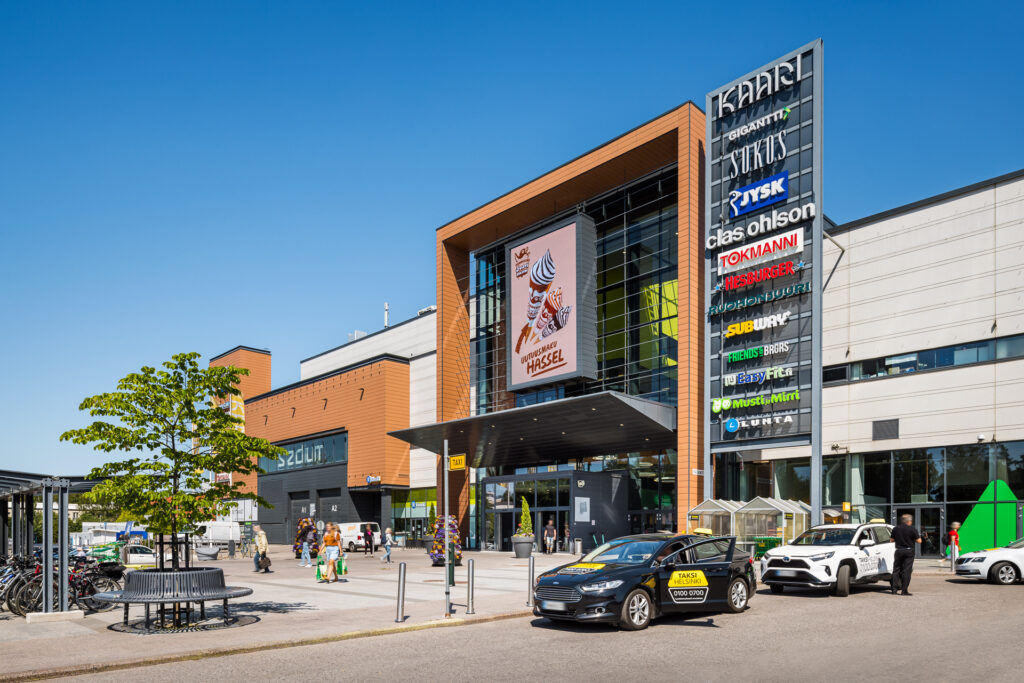
Five large halls. Constantly changing events. Previously managed manually — ventilation, heating and lighting adjusted by hand for
How this works in practice
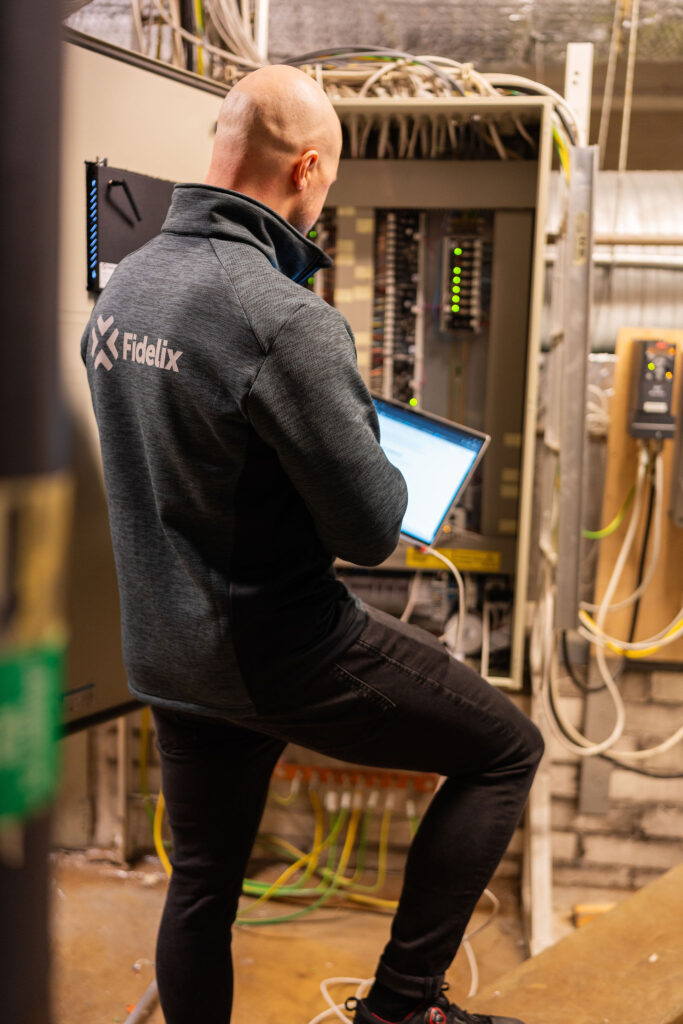
• Building systems are connected to the building automation platform through open interfaces
• System-generated data is transferred to a cloud-based environment
• A secure remote monitoring platform continuously supervises operations and automatically detects deviations
• Required adjustments and corrective actions are carried out remotely through the cloud-based supervisory platform
• Building performance is continuously improved based on collected data
Explore out tech
This solution is built from the following existing solutions within the Fidelix Smart Building portfolio.
Learn more on the product pages:
• Fidelix Building Automation System
Want to go further?
Efficient operations are a strong place to stop. If you’re ready to move from maintaining performance to actively improving it, Step 4 is where AI takes over from automation.
